Submetering Gas with Axis Meter Solutions: A Clear and Knowledgeable Approach
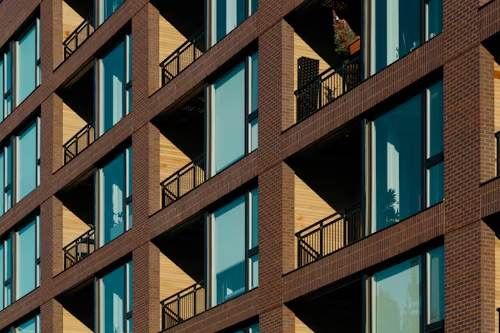
Gas submetering measures natural gas consumption for an individual suite, tenant, process, or defined area behind a property's main utility meter. For multi-unit and mixed-use buildings, that additional measurement can support clearer usage reporting, cost allocation, and tenant billing when the arrangement is permitted by the applicable rules.
A useful gas-submetering project starts with the building's actual piping, loads, ownership structure, and billing requirements. Axis Meter Solutions can help assess those details and design a practical approach through our gas submetering solutions.
What a Gas Submeter Does
The utility's main meter measures the total gas delivered to the property. A submeter is installed downstream to measure a smaller portion of that total, such as one residential unit, a commercial tenant, a boiler plant, or another separately managed load.
A submeter does not automatically replace the utility meter or create a right to bill occupants. It provides measurement data. How that data may be used depends on the lease, local rules, utility requirements, meter requirements, and the billing model selected for the property.
Common Components
A gas-submetering system may include the meter itself, a pulse or digital output, a communications device, a gateway, data-management software, and a billing or reporting workflow. The appropriate combination depends on how often readings are required, whether remote collection is needed, and how the information will be reviewed.
For a more detailed comparison of system approaches, read our guide to gas submetering options.
Where Gas Submetering Can Be Useful
Gas submetering is commonly considered for apartment buildings, condominiums, student housing, commercial units, mixed-use properties, and campuses where natural gas loads can be separated physically and measured reliably.
Examples include individually served furnaces, fireplaces, domestic hot-water equipment, kitchens, laundries, commercial appliances, or process loads. A building with one shared boiler and no practical way to distinguish unit-level consumption may require a different allocation method or a redesign before individual measurement is meaningful.
Separate Tenant and Common Loads
Before selecting meters, the project team should map every significant gas load and decide whether it belongs to a tenant, a shared building service, or the property owner. Shared boilers, make-up air units, pool heaters, amenity spaces, and similar equipment should not be assigned to an individual tenant without a documented basis.
When shared consumption needs its own measurement and reporting, consider a coordinated common-area metering plan.
Planning a Gas-Submetering Project
Gas systems require qualified design and installation. Natural gas is combustible, and work on gas piping must follow manufacturer instructions, applicable codes, permitting requirements, inspection requirements, and utility rules. Property owners should use appropriately licensed or qualified gas professionals for design, shutoffs, piping changes, pressure testing, commissioning, and service.
1. Document the Existing System
Start with current drawings where available, then verify them in the field. Record the main meter, regulators, pipe sizes, branches, connected appliances, expected demand, operating pressure, access conditions, and the relationship between tenant and common loads.
Existing buildings often contain undocumented changes. A field survey helps prevent a meter from being assigned to the wrong unit or installed where it cannot be read and maintained safely.
2. Define the Measurement and Billing Objective
Decide whether the system is intended for internal energy management, tenant reporting, cost allocation, formal billing, or a combination of these uses. The objective affects meter selection, data retention, reading frequency, validation, and the approvals or reviews that may be required.
3. Select Equipment for the Actual Operating Range
A meter should be selected for the expected minimum and maximum flow, operating pressure, temperature, gas characteristics, connection size, output requirements, and installation orientation. Oversizing can reduce useful low-flow resolution, while undersizing can create pressure or capacity problems.
Equipment should also be suitable for the intended application and accepted by the relevant authorities or utilities where required. The project team should verify product documentation rather than assuming one meter is appropriate for every jurisdiction or building.
4. Plan Communications and Data Handling
Manual readings may be reasonable for a small property. Larger portfolios may benefit from automated meter reading, especially when access is difficult or billing periods must be consistent. Communications can use wired or wireless methods depending on the building, but coverage, power, cybersecurity, ownership, and long-term support should be evaluated before installation.
Installation and Commissioning
A typical installation sequence includes design review, permits or notifications where required, a coordinated shutdown, piping work, meter installation, testing, inspection, communications setup, and commissioning. Exact steps vary by site and jurisdiction.
Commissioning should confirm more than whether a display turns on. The team should verify meter identity, unit assignment, flow direction, communications, reading units, multiplier or conversion settings, timestamp accuracy, and the transfer of data into the reporting or billing platform.
Create an Audit Trail
Each installed meter should have a stable identifier linked to its physical location and the unit or load it serves. Keep photographs, equipment records, commissioning readings, configuration details, as-built drawings, and service history. This documentation makes later billing reviews and maintenance far easier.
From Meter Readings to Bills
Reliable billing requires a defined process around the measurement data. The process should identify the billing period, opening and closing readings, measurement units, applicable conversion factors, rates, fixed charges, taxes, administrative charges, move-in and move-out treatment, vacancies, estimated readings, corrections, and dispute handling.
Rates and permitted charges can vary by location and property type. Lease language and billing practices should be reviewed by qualified local professionals before charges are passed to occupants. This guide is operational information, not legal advice.
Validate Before Issuing Charges
Useful validation checks include missing readings, duplicate readings, unexpected rollovers, unusually high or low consumption, meter-to-unit mismatches, communication gaps, and a comparison between submeters and the main property meter. The sum of submeters will not always equal the main meter exactly because of timing, shared loads, measurement tolerances, and unmetered branches, but unexplained differences should be investigated.
Operations and Maintenance
Submetering is an ongoing system, not a one-time installation. Assign responsibility for reviewing data, responding to exceptions, maintaining communications equipment, scheduling meter service, updating unit assignments, and preserving records.
Periodic checks should confirm that meters remain accessible, undamaged, correctly labelled, and associated with the right account. When appliances, piping, tenants, or building uses change, update the meter map and billing configuration.
Gas Safety Remains Separate
Consumption data may reveal an unusual pattern, but a billing submeter is not a substitute for approved gas detection, carbon-monoxide detection, inspections, or emergency procedures. Anyone who smells gas or suspects an unsafe condition should follow the local utility's emergency instructions and leave technical investigation to qualified professionals.
Resident and Tenant Communication
Clear communication can reduce billing questions. Before launch, explain what is being measured, when readings are taken, how charges are calculated, which costs remain common, how occupants can view their usage, and how they can ask for a review.
Statements should identify the service period and usage in understandable units. Keep the underlying readings and adjustment history so questions can be answered with evidence rather than estimates.
Common Project Mistakes
- Choosing equipment before surveying the loads. Meter selection should follow verified flow, pressure, piping, and access requirements.
- Mixing tenant and common consumption. Map shared equipment explicitly and decide how it will be treated.
- Skipping unit-assignment verification. A technically accurate meter can still produce an incorrect bill if it is linked to the wrong suite.
- Assuming remote data is always complete. Define procedures for communications failures, estimated readings, and corrections.
- Treating installation as the end of the project. Data review, maintenance, documentation, and tenant support need clear owners.
- Assuming one compliance approach works everywhere. Confirm local requirements for equipment, installation, billing, disclosures, and records.
Gas Submetering Project Checklist
- Confirm the project's measurement and billing objective.
- Survey the main service, regulators, piping branches, appliances, and shared loads.
- Verify that each intended load can be separated and measured meaningfully.
- Select equipment for the actual flow range, pressure, environment, and data needs.
- Confirm permits, inspections, utility coordination, and qualified installer requirements.
- Document meter identifiers, locations, unit assignments, settings, and commissioning readings.
- Define reading validation, reconciliation, billing, corrections, and dispute workflows.
- Plan ongoing maintenance, data retention, communications support, and tenant education.
Frequently Asked Questions
Can Gas Submeters Be Added to an Existing Building?
Often they can, but feasibility depends on piping access, whether loads are separated, available installation space, operating conditions, shutdown coordination, and local requirements. A site survey is the appropriate first step.
Can Gas Submeters Be Read Remotely?
Many systems support pulse or digital outputs that can be connected to remote-reading equipment. Compatibility and communications design should be confirmed before equipment is purchased.
Does Gas Submetering Guarantee Lower Consumption?
No. Submetering supplies more specific usage information and can support accountability, but actual consumption depends on occupants, equipment efficiency, weather, operating practices, and building conditions.
Is Gas Submetering Legal Everywhere?
Rules differ by jurisdiction and by how the readings are used. Property owners should confirm applicable meter, gas-code, utility, lease, consumer-protection, billing, and disclosure requirements with qualified local professionals.
Next Steps
A sound gas-submetering plan connects safe installation, suitable equipment, verified data, transparent billing, and ongoing support. To discuss a new construction project, an occupied-building retrofit, or an existing system that needs review, contact Axis Meter Solutions.
Ready to Optimize Your Utility Management?
Tell us about the property, utility, number of units, and your billing or monitoring goals. We'll help you identify the right next step.
Book a Call