What Is a Submeter and How Does It Work?
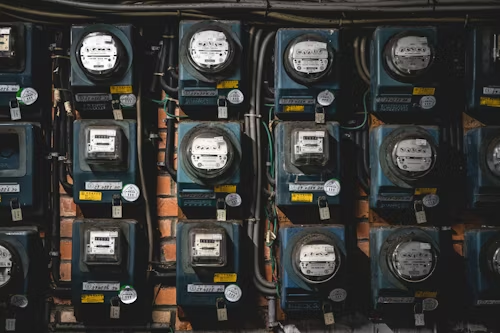
A submeter is a meter installed after a property's main utility meter to measure consumption for a smaller area, such as an apartment, condominium unit, commercial tenant, common area, or piece of equipment. Submetering gives owners and occupants more specific information than a single building-wide bill and can support usage-based billing when the lease and applicable rules allow it.
The meter is only one part of a complete submetering system. A dependable project also requires suitable equipment, qualified installation, communications, commissioning, validated readings, account records, billing controls, resident support, and ongoing maintenance.
Submetering at a Glance
- A master or bulk meter measures the utility delivered to the entire property.
- A submeter measures one unit, tenant, area, or end use within that property.
- Electricity, water, natural gas, and thermal energy can be submetered, but they use different equipment and regulatory frameworks.
- Submeter readings can support billing only after the data, account, rate, lease, and jurisdictional requirements have been addressed.
- Consumption data can reveal unusual patterns, but a submeter does not prevent every leak, diagnose every fault, or guarantee savings.
Where Does a Submeter Sit in the Utility System?
Most multi-unit properties receive a master utility bill. The utility's meter records the total electricity, water, or gas supplied to the property. Without additional measurement, that total does not show how much was used by each suite, commercial tenant, common area, or building system.
A submeter is installed downstream of that main meter. For example, an electric submeter may measure a suite's electrical panel, while a water submeter may measure the branch serving one apartment. The local utility normally continues to bill the master account. The submetering system supplies the more detailed readings used for reporting, allocation, or resident billing.
Submeter totals will not always equal the master meter exactly. Reading times, common-area loads, unmetered branches, vacancies, meter tolerances, leaks, and data gaps can create differences. A sound operating process reconciles and investigates those differences rather than assuming every variance is an error.
How Does Submetering Work?
- The property is surveyed. The team documents utility services, panels or piping, unit layouts, shared loads, access, available space, communications conditions, and the purpose of the readings.
- The system is designed. Meters are selected for the utility, service configuration, expected measurement range, environment, applicable approvals, and intended use.
- Meters and communications are installed. Qualified trades complete the electrical or plumbing work, and the reading network is installed where remote data collection is required.
- Every metering point is commissioned. Meter identifiers, units of measure, multipliers, flow direction or current direction, communications, and physical unit assignments are verified.
- Readings are collected and validated. The system checks for missing, duplicated, reversed, unusually high, or otherwise questionable readings before they are reported or billed.
- Usage is reported or billed. Validated consumption is matched to the correct account and period. Rates, fees, notices, corrections, payments, move-ins, move-outs, and resident questions follow the approved operating process.
What Can Be Submetered?
Electricity
Electricity submetering measures energy consumed by a suite, tenant, panel, EV charger, common area, or specific load. The design may use individual meters or multi-point equipment, depending on the electrical system and applicable approvals.
Water
Water submetering measures the volume passing through a particular branch. One suite may require one meter, separate hot- and cold-water meters, or several meters if it has multiple feeds. Meter data can help investigate continuous or unusual consumption, while dedicated leak and flood sensors monitor selected locations for water where it should not be.
Natural Gas
Natural-gas submetering can measure usage by tenant, suite, or equipment where the gas distribution design allows it. Meter sizing, pressure, temperature compensation, installation, ventilation, and revenue-meter requirements must be considered.
Thermal Energy
Thermal submetering calculates heating or cooling energy using flow and temperature measurements. It is used in systems such as hydronic heating, chilled water, fan coils, and heat-pump arrangements. Thermal metering is not the same as simply measuring the electricity consumed by HVAC equipment.
Master Metering vs. Submetering
Question
Master meter
Submeter
What does it measure?
The property's total utility consumption
A unit, tenant, area, or end use
Who normally receives the utility bill?
The property owner, manager, or condominium corporation
The submetering provider may issue resident bills under the applicable arrangement
What operating detail is available?
Building-wide total
More specific consumption by metered point
Can it identify the affected unit?
Usually not
It can narrow an anomaly to the metered unit or load
Does installation automatically permit tenant billing?
No
No; billing authority and requirements must be confirmed separately
Submetering vs. Allocation Formulas
Some properties allocate a master bill using a formula based on floor area, occupancy, bedroom count, or another factor. In the United States this is often called a Ratio Utility Billing System, or RUBS. A formula allocates cost without directly measuring each unit's consumption.
Submetering uses a meter reading for the applicable unit or load. That can create a clearer connection between measured usage and the amount charged. However, the permitted billing method, treatment of common-area consumption, fees, disclosures, and resident protections vary by jurisdiction and property type. Neither approach should be implemented without reviewing the governing rules and lease documents.
Why Do Property Owners Use Submetering?
More Defensible Cost Allocation
Where billing is permitted, validated readings can replace estimates with measured consumption. A transparent statement should identify the billing period, readings, usage, rates, fees, adjustments, due date, and a way to ask questions.
Better Building Visibility
Unit-level data can help a property team compare loads, identify unexpected changes, verify whether a repair altered consumption, and decide where to investigate first. Data is most valuable when the system assigns responsibility for alerts, follow-up, and resolution.
Earlier Investigation of Unusual Water Use
Continuous water use or a sudden increase may point to a running toilet, dripping fixture, open valve, occupancy change, incorrect meter assignment, or another issue. Consumption data provides a signal; inspection determines the cause. A meter-based anomaly alert and a physical flood sensor perform different jobs.
Less Billing Administration for the Property Team
A full-service provider can manage scheduled readings, data validation, account setup, bill production, payment processing, resident questions, arrears workflows, moves, corrections, and meter maintenance. The exact responsibilities should be stated in the service agreement.
What Submetering Does Not Guarantee
- It does not guarantee a fixed reduction in consumption, operating cost, or property value.
- It does not detect every leak or replace inspection, maintenance, or emergency response.
- It does not transfer the owner's responsibility to maintain building systems.
- It does not automatically create legal authority to bill a resident.
- It does not make inaccurate account assignments, rates, or estimated readings acceptable.
- It does not eliminate the need for resident communication and a fair dispute process.
How Is a Submetering Project Planned?
A proposal should begin with the building, not a product catalogue. Useful inputs include drawings, unit and tenant counts, utility bills, meter inventories, service sizes, equipment schedules, photographs, access restrictions, occupancy, construction timing, communications availability, and the intended billing model.
For an occupied-building retrofit, the plan must also address suite access, shutdowns, resident notice, restoration, asbestos or hazardous-material procedures where applicable, privacy, commissioning, and the transition to live billing. New construction provides more design flexibility, but meter locations, wiring, piping, communications, access, and responsibilities still need early coordination.
How Does Meter Data Become a Bill?
The difference between two validated readings represents consumption for the period, subject to the meter's units and multiplier. Producing a correct bill also requires accurate occupancy dates, account assignments, rate components, taxes, fees, prior balances, payments, adjustments, and the rules that apply to the customer.
Before billing begins, the provider should test meter-to-unit mapping, starting reads, rate calculations, sample bills, move workflows, exception handling, and reconciliation. The owner should understand how missing readings, estimated bills, corrections, disputes, and final bills will be handled.
Which Rules Apply in Canada?
There is no single Canadian rule covering every utility and billing model.
For electricity and natural gas, Measurement Canada explains that a meter used to establish the basis of a charge is a revenue meter. That can include a submeter used to determine electricity or gas charges for individual purchasers in a multi-unit complex. Applicable meters must meet federal approval, verification, sealing, use, maintenance, and record requirements. These federal electricity and gas requirements should not be presented as water-meter approval rules.
Ontario electricity unit submetering has an additional provincial framework. The Ontario Energy Board states that a person may not engage in electricity unit submetering without a licence. Licensed providers must comply with the OEB's Unit Sub-Metering Code and their licence conditions. The OEB also makes clear that it regulates USMP services relating to electricity, not water or natural-gas billing offered by those providers.
Axis Meter Solutions Inc. is listed by the OEB as a licensed Unit Sub-Meter Provider for Ontario electricity services under licence ES-2022-0268. Requirements for other utilities and jurisdictions are reviewed separately.
Which Rules Apply in the United States?
United States requirements can vary by state, public utility commission, municipality, utility territory, property type, utility, and whether readings are used for billing or internal monitoring. Rules may address meter standards, approvals, notices, lease language, allowable rates and fees, common-area charges, testing, records, disputes, shutoffs, and resident protections.
A statement that submetering is permitted in one state or property type should not be generalized nationwide. Confirm the intended project and billing model before equipment is selected.
Questions to Ask a Submetering Provider
- Which utilities, buildings, and jurisdictions does the proposed scope cover?
- Which licences, registrations, meter approvals, and qualified trades apply?
- Has the actual electrical or plumbing configuration been field-verified?
- Who owns the equipment and data during and after the agreement?
- How are meter-to-unit assignments commissioned and audited?
- What happens when a reading is missing, duplicated, reversed, or unusually high?
- Which billing, payment, resident-support, and collection services are included?
- Who maintains meters, communications, gateways, batteries, and software?
- How can the owner export data and transition service at the end of the contract?
- Which costs are upfront, recurring, usage-based, escalated, or payable on early termination?
Frequently Asked Questions
Is a smart meter the same as a submeter?
Not necessarily. “Smart meter” usually describes communications or data features. “Submeter” describes where the meter sits in relation to the main meter and what portion of consumption it measures. A submeter can have smart communications, but the terms are not interchangeable.
Can an existing apartment building be submetered?
Many existing buildings can be retrofitted, but feasibility depends on the electrical and plumbing layouts, available space, access, communications, condition of existing systems, shutdown requirements, and local rules. A field survey is required for a defensible answer.
Does every suite need only one meter?
No. The number depends on the utility and building configuration. A suite may have one electrical service but several water feeds, or separate meters may be needed for heating, cooling, EV charging, or other loads.
How much does submetering cost?
Cost depends on meter quantities, service sizes, building conditions, installation access, communications, engineering, permits, commissioning, software, billing, maintenance, and commercial terms. Axis offers eligible projects with $0 upfront installation under its standard long-term full-service agreement; recurring service and contract terms apply.
What should happen before resident billing begins?
Commissioning, meter-to-account mapping, reading validation, rate and account testing, sample bills, resident notice, payment options, support procedures, and exception workflows should all be ready before live billing.
Primary Sources
- Ontario Energy Board — Unit Sub-Metering Code
- Ontario Energy Board — Unit sub-metering licensing
- Ontario Energy Board — Understanding Electricity Unit Sub-Meter Providers
- Measurement Canada — Attribution and use of electricity and gas revenue meters
- U.S. EPA WaterSense — Multifamily water assessment resources
Next Step
A good submetering project connects the building design, suitable meters, validated data, transparent billing, resident support, and long-term maintenance. Explore Axis's submetering solutions or request a building-specific assessment with the property type, location, utility, unit count, current billing arrangement, and project goal.
Ready to Optimize Your Utility Management?
Tell us about the property, utility, number of units, and your billing or monitoring goals. We'll help you identify the right next step.
Book a Call